AI in healthcare is entering a new phase: action. What started as early pilots and isolated use cases is now embedded in revenue cycle workflows: guiding decisions, automating tasks, and improving outcomes.
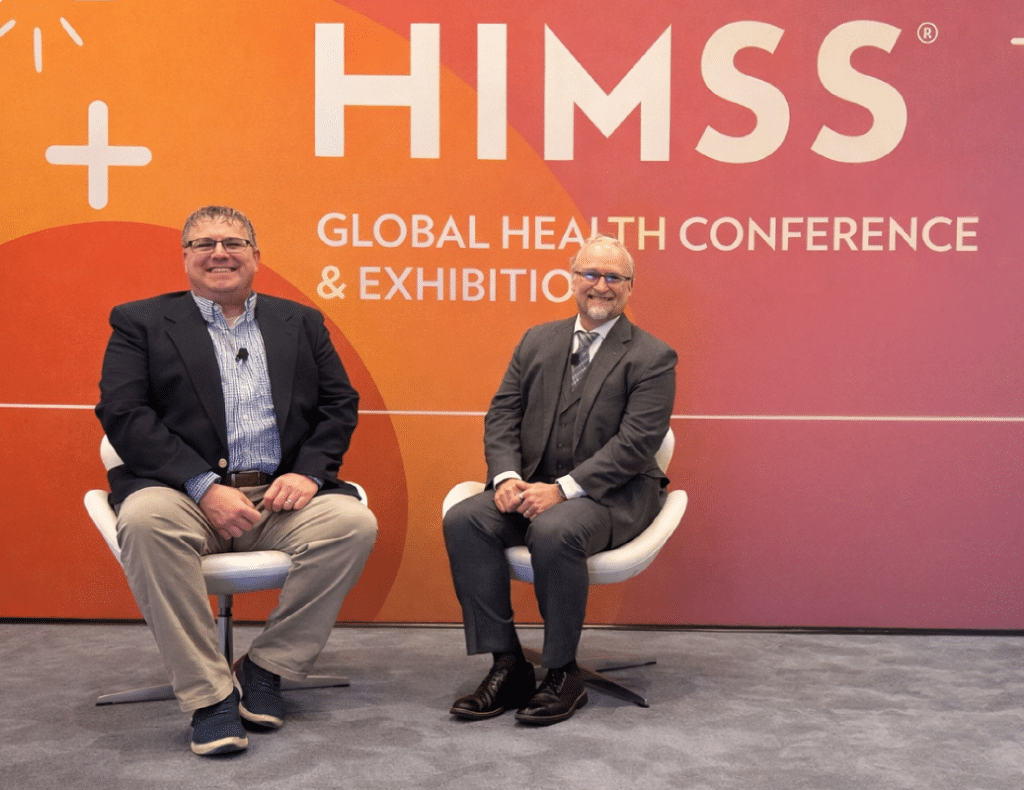
At HIMSS 2026, Waystar hosted an executive Q+A on scaling generative and agentic AI. The discussion revealed a clear shift: AI is no longer just helping teams generate information — it’s helping them act on it. And that distinction matters.
What’s the difference between generative + agentic AI in healthcare?
Generative AI can summarize, draft, and organize content. Agentic AI goes a step further — executing tasks, guiding workflows, and surfacing next steps in real time. In an environment shaped by payer complexity, disconnected workflows, and growing administrative pressure, added intelligence has a meaningful impact.
Here are 4 places that impact shows up today:
1. Improving accuracy earlier in the patient journey
One of the clearest themes from the discussion was how agentic AI in healthcare is improving accuracy upstream. Leaders described using AI before and during the visit to:
- Support intake
- Gather patient history
- Triage care needs
- Improve documentation quality
The panel agreed that better information at the start of the encounter creates fewer downstream issues in coding, billing, and reimbursement.
This is especially important for organizations trying to connect financial and clinical workflows more effectively. More complete clinical documentation helps ensure that the patient story is reflected accurately, which supports stronger coding and cleaner claims.
Upstream accuracy in action
When organizations can identify documentation opportunities earlier, they are better positioned to reduce avoidable rework and protect reimbursement.
AI-powered CDI workflows make that possible. By surfacing high-impact opportunities earlier, teams can improve accuracy and efficiency — with organizations like OSF HealthCare achieving a 50% lift in CDI-related financial performance.
→ See how AI-powered CDI workflows strengthen documentation accuracy
2. Shifting from denial management to denial prevention
Executives also agreed that agentic AI in healthcare must go beyond appealing denials faster to preventing denials in the first place.
Leaders pointed to the growing potential for AI to:
- Combine clinical, financial, and payer policy data to flag documentation gaps
- Anticipate medical necessity issues
- Identify payer-specific risks before claims are submitted
That proactive approach can help organizations reduce costly back-and-forth with payers and improve first-pass outcomes.
Denial prevention in action
Rotech saw that impact firsthand. By identifying coverage earlier and connecting eligibility, claims, and analytics workflows, the organization reduced manual work and prevented avoidable denials before claims were submitted — helping teams focus on the exceptions that matter most.
→ Read how Rotech prevents denials upfront with smarter coverage detection
3. Prioritizing the right work at the right time
Across the revenue cycle, agentic AI in healthcare is helping teams prioritize the work that has the greatest impact on payment outcomes.
Leaders said there is an opportunity for AI to support more intelligent account prioritization by identifying which actions are most likely to influence payment outcomes. For example, instead of relying only on high-dollar stratification, AI can help teams identify trends, timing issues, and root causes that deserve attention first.
That kind of prioritization helps staff:
- Spend less time sorting through worklists
- Shift from static workflows to dynamic, outcome-driven decision-making
- Use the time they get back to apply expertise where it matters most
Prioritization in action
AI-powered prioritization helped Temple Health focus on the accounts and cases most likely to drive impact — enabling the team to double their query rate while reviewing 94% of high-priority cases, all without increasing headcount.

4. Creating faster, more consistent patient financial interactions
Experts also agreed that agentic AI in healthcare is improving how organizations engage with patients in financial interactions.
One example shared was the use of AI and human oversight to triage and respond to patient billing questions. Leaders noted that these workflows helped:
- Improve responsiveness
- Create a more consistent experience
- Reduce call volume by resolving routine inquiries more efficiently
AI + oversight in action
For healthcare organizations, that is an important reminder: improving the revenue cycle also means reducing friction for patients. Clearer communication, faster responses, and fewer handoffs contribute to a better financial experience.
Great River Health applied that approach to patient financial interactions — accelerating payments by 38% while reducing monthly call volume by 60%, thanks to more efficient, digital-first workflows.
Turning AI insights into real revenue cycle outcomes
The biggest lesson from the discussion is that agentic AI in healthcare is already moving from theory to practice. Leading organizations are using agentic AI to:
- Improve accuracy upstream
- Prevent denials before they happen
- Prioritize work more effectively
- Create a more responsive patient financial experience
Waystar helps support these organizations by embedding AI into revenue cycle workflows in ways that improve visibility, reduce friction, and strengthen financial performance.