
A COMPLETE GUIDE TO PLB ADJUSTMENTS
Uncovering and addressing recoupments
with AI and advanced automation
Recoupments are silently draining healthcare revenue. Because PLB adjustments occur after a claim is paid, they are hard to spot, harder to manage, and often as disruptive as denials. What’s more, most RCM teams are using manual, time-consuming workflows that make it difficult to find, track, and address recoupments efficiently. That can lead to massive financial losses.
issued by payers each year
for providers each year
How can you tackle recoupments now?
This guide explains why recoupments are rising and what providers can do to regain control. First, explore the causes — retrospective audits, automated reviews — before uncovering why traditional denial workflows can’t handle recoupments. Finally, dive deep into the tools and strategies that have been proven to protect reimbursement, reduce manual rework, and prevent time-consuming recoupment investigations.
What’s inside
- 1 Why recoupments are increasing — and why they’re hard to track
- 2 How to proactively identify and triage recoupments
- 3 A practical checklist for managing recoupments
- 4 What an AI‑powered approach looks like in practice
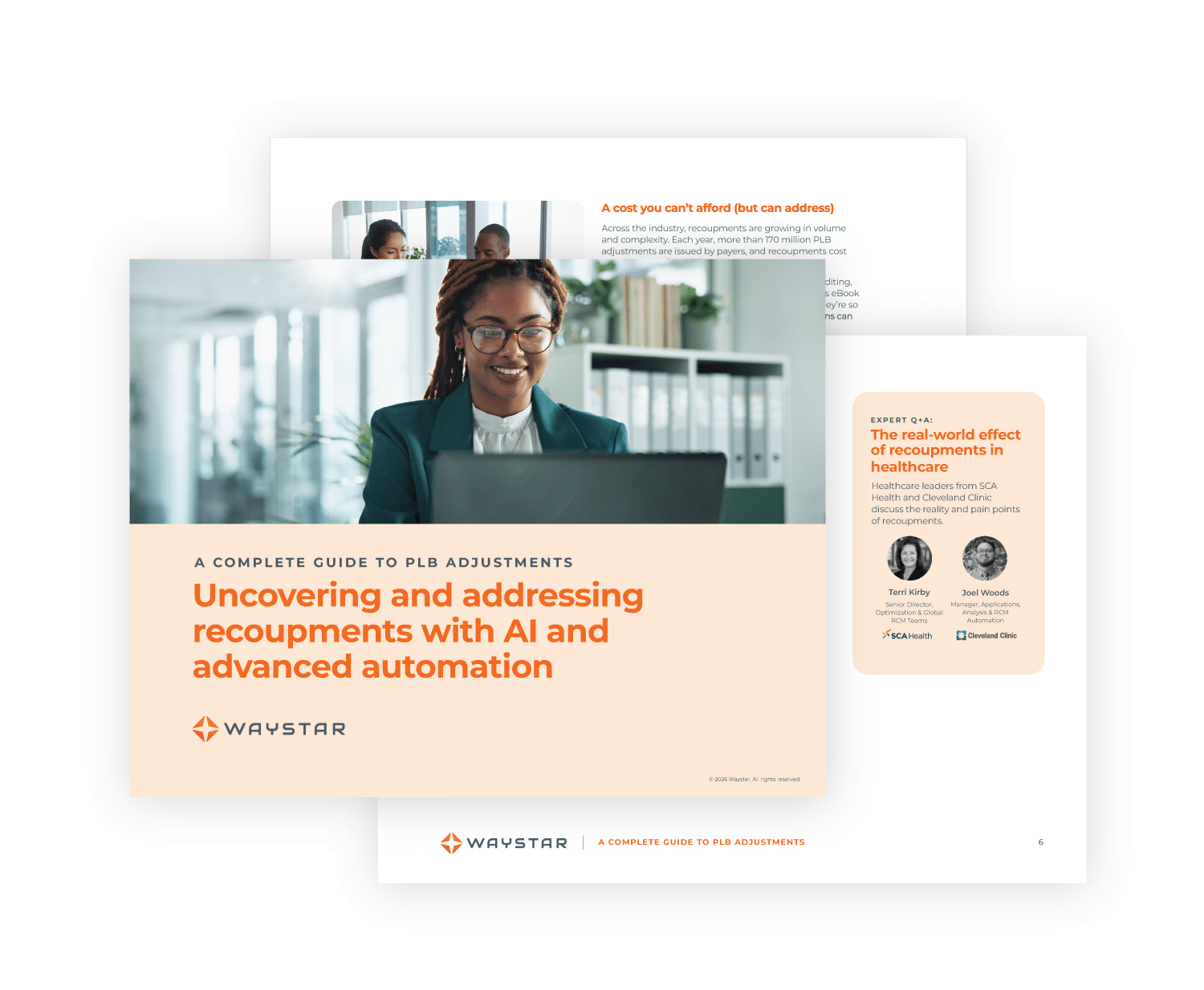
DOWNLOAD THE COMPLETE GUIDE TO PLB ADJUSTMENTS
Explore Waystar Recoupment Manager
Ready to take action against recoupments? Check out Waystar’s AI-powered solution and schedule a demo today. Learn more.
The 2025 CAQH Index.
Waystar data.